









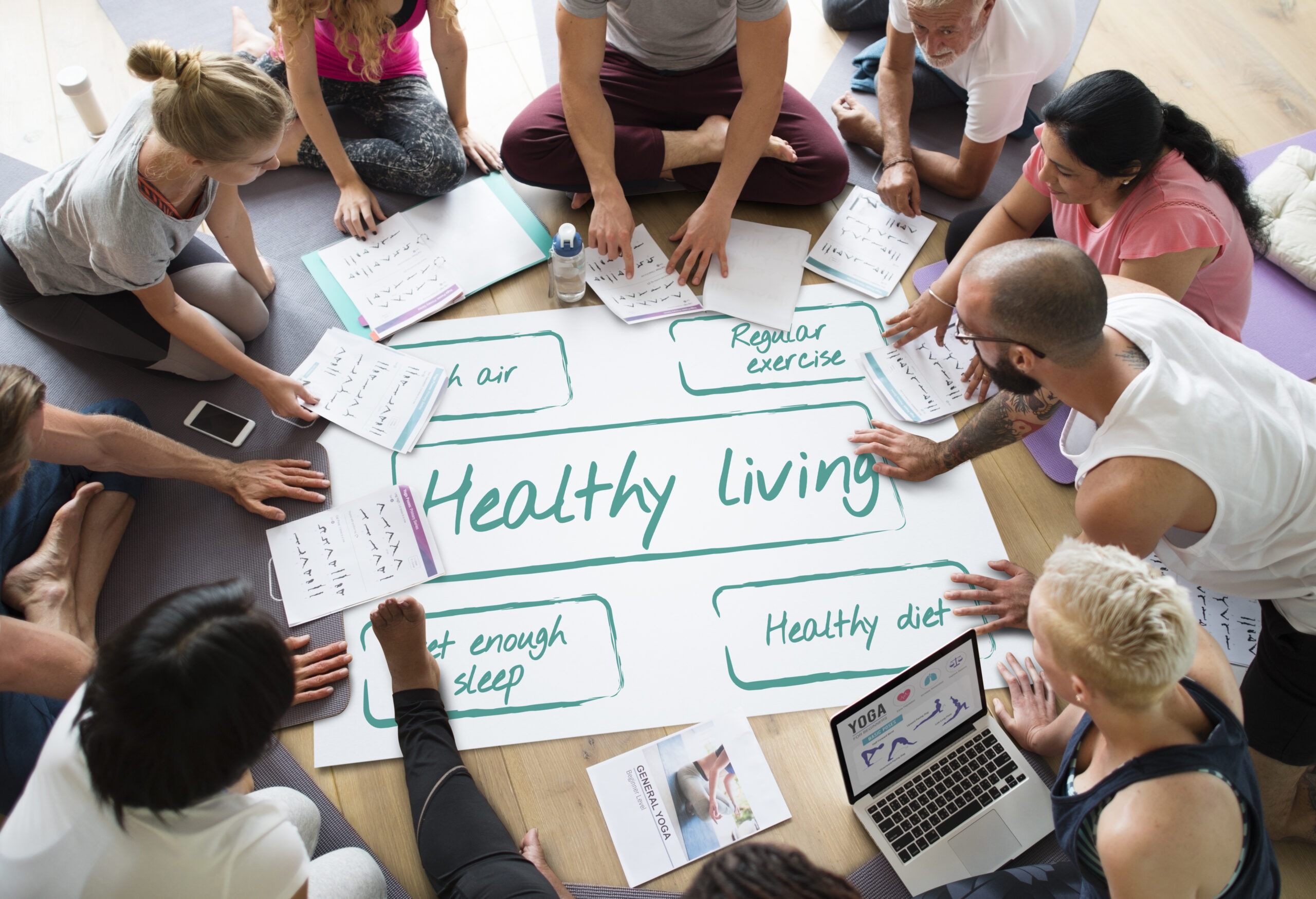
Health outreach is more than giving out pamphlets or running campaigns. It’s about connecting people with real resources that improve their health and well-being. Across the United States, programs that bring healthcare information, preventive services, and wellness guidance directly to communities are making a big difference. When done right, these efforts don’t just inform — they inspire people to take action and build healthier habits.
Good health outreach focuses on people, not just numbers. By meeting communities where they are — whether in schools, neighborhoods, or online — these programs create lasting impact. Education, access, and personal connection combine to form stronger, healthier communities that trust the advice they receive and actually use it in daily life.
What Health Outreach Really Means
Health outreach is simply about bringing healthcare knowledge and services to people who need them. It makes health information easy to understand and accessible to everyone. The goal is prevention, education, and trust — helping people make choices that genuinely improve their lives.
Community programs like local workshops, mobile clinics, or digital campaigns show what this looks like in practice. These efforts are especially important in areas where access to care is limited, helping close gaps in health and wellness.
Types of Health Outreach Programs
Health outreach takes many forms. Mobile clinics provide checkups for those who can’t easily travel to a doctor. Schools often host wellness programs teaching nutrition, fitness, and mental health. Online campaigns spread educational content and tips, reaching people at home. Each format builds trust over time by showing up where people already are.
Daily health tips for busy people’s.
How Health Outreach Prevents Illness
The best public health outreach programs focus on prevention. Screenings, vaccinations, and educational campaigns help people avoid chronic illnesses and catch problems early. Programs that do this well see real improvements in community health.
For example, a county-led diabetes prevention effort that used local community health workers saw early detection rates rise noticeably over 18 months. This kind of outreach encourages people to take control of their health before small issues become big ones.
Outreach Techniques That Work
Effective techniques include interactive workshops, home visits for at-risk residents, and community screening drives. Each method relies on building genuine trust and offering help without pressure. When people feel respected and not pushed, they’re more likely to engage and follow through.
Mental Health Outreach Matters
Mental health is just as important as physical health. Outreach programs can reduce stress, anxiety, and depression by offering resources like counseling, peer support, and awareness campaigns.

For instance, schools that set up quiet wellness spaces with counselor access often see fewer behavioral issues and lower stress among students. Programs like these are about creating environments where people feel safe asking for help.
Practical Mental Health Activities
Activities that work include peer support groups, online counseling, and public awareness campaigns. These programs improve wellbeing while fostering long-term engagement and support networks that people come to rely on.
Using Technology to Reach More People
Digital tools have changed health outreach. Telehealth, mobile apps, webinars, and social media campaigns allow programs to reach more people, even in rural areas. Technology makes resources timely, accessible, and easier to act on.
For example, combining virtual check-ins with educational tips lets participants track diet, exercise, and mental health from home. This allows programs to grow without losing the personal connection that makes outreach effective.
Examples of Digital Outreach Tools
| Tool | Purpose | Impact |
|---|---|---|
| Telehealth | Remote doctor visits | Helps rural communities |
| Health Apps | Track wellness habits | Encourages daily improvements |
| Webinars | Online learning sessions | Boosts knowledge and awareness |
| Social Media | Awareness campaigns | Increases community engagement |
These tools make health outreach practical and measurable, giving communities the support they need to thrive.
Engaging Kids and Schools
Reaching children early can make a lifetime of difference. Schools are ideal for teaching nutrition, fitness, hygiene, and emotional health. Programs aimed at youth help establish healthy routines that last well into adulthood.
Collaboration with parents, teachers, and community leaders helps these programs succeed. Involving young people also spreads knowledge naturally through families and friends, expanding the impact.
Youth Program Ideas
Interactive nutrition workshops, school fitness challenges, and mental health awareness events are effective ways to engage kids also start yoga at home . These programs show how simple, consistent outreach can create lasting benefits for the whole community.
Measuring the Impact of Health Outreach
Measuring results helps programs stay effective. Tracking attendance, participation, and actual health improvements shows whether programs are making a real difference. Data helps teams refine their strategies and prove impact to funders.
Metrics like vaccination rates, program attendance, and digital engagement are critical for keeping programs accountable and transparent.
Metrics That Matter
| Metric | Why it’s important |
|---|---|
| Participation Rate | Shows reach and engagement |
| Health Improvements | Demonstrates real-life outcomes |
| Online Engagement | Tracks digital program success |
| Follow-Up Compliance | Indicates adoption and behavior change |
Data-driven evaluation ensures programs keep improving and deliver long-lasting benefits to communities.
FAQs
1. What is the best health outreach strategy?
The most effective approach combines personalization, clear education, and easy access. Programs that target the right people with helpful, actionable content see lasting improvements.
2. How soon do results appear?
Digital campaigns may show engagement in a few weeks, while community programs may take months to reflect measurable outcomes.
3. Can mental health outreach reduce stigma?
Yes. School, workplace, and community programs help normalize mental health discussions and encourage people to seek help.
4. How does technology improve health outreach?
Telehealth, wellness apps, webinars, and social media expand reach, increase engagement, and deliver timely resources.
5. How is health outreach success measured?
Programs track participation, engagement, health outcomes, and follow-up to evaluate effectiveness and improve future campaigns.