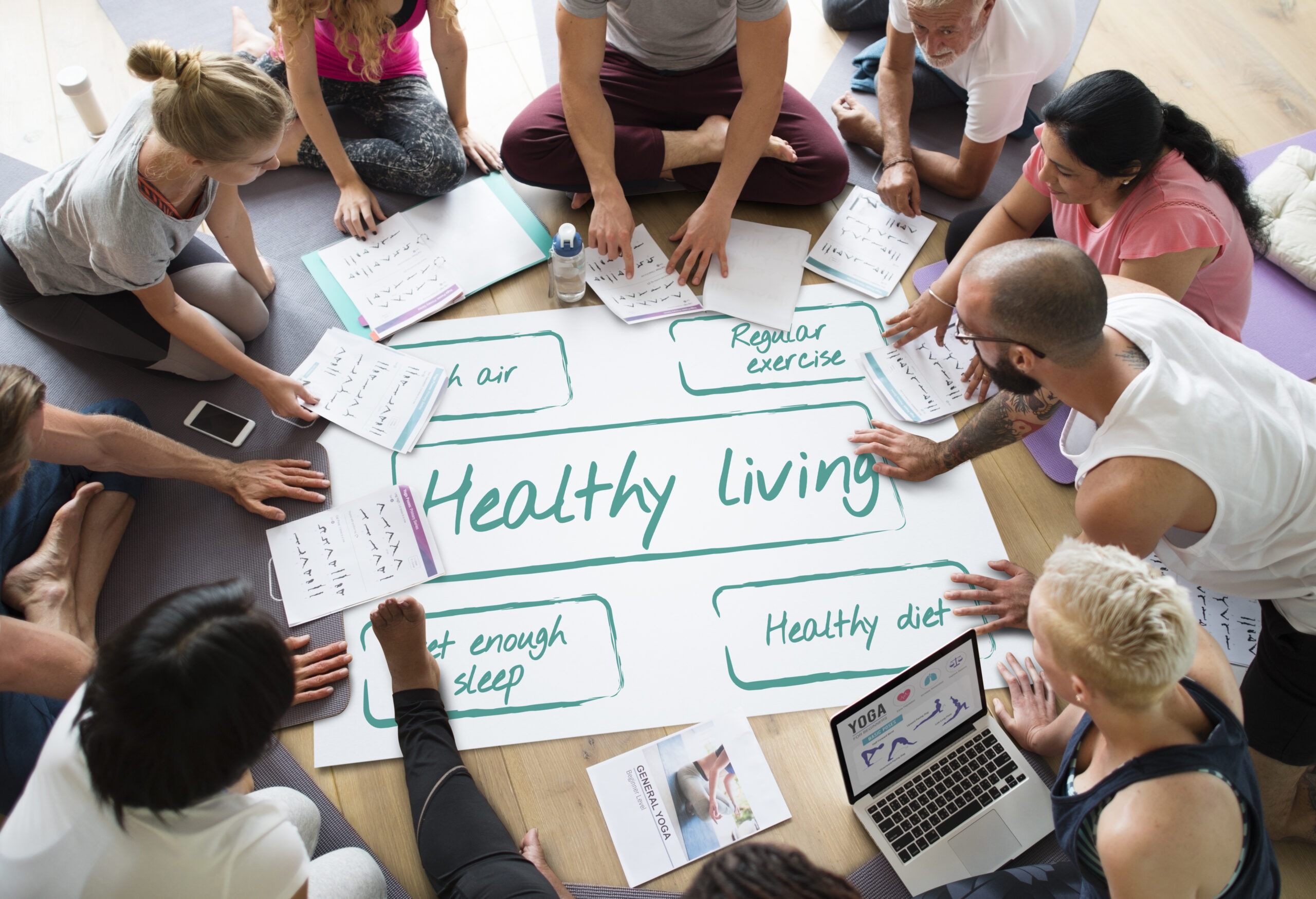









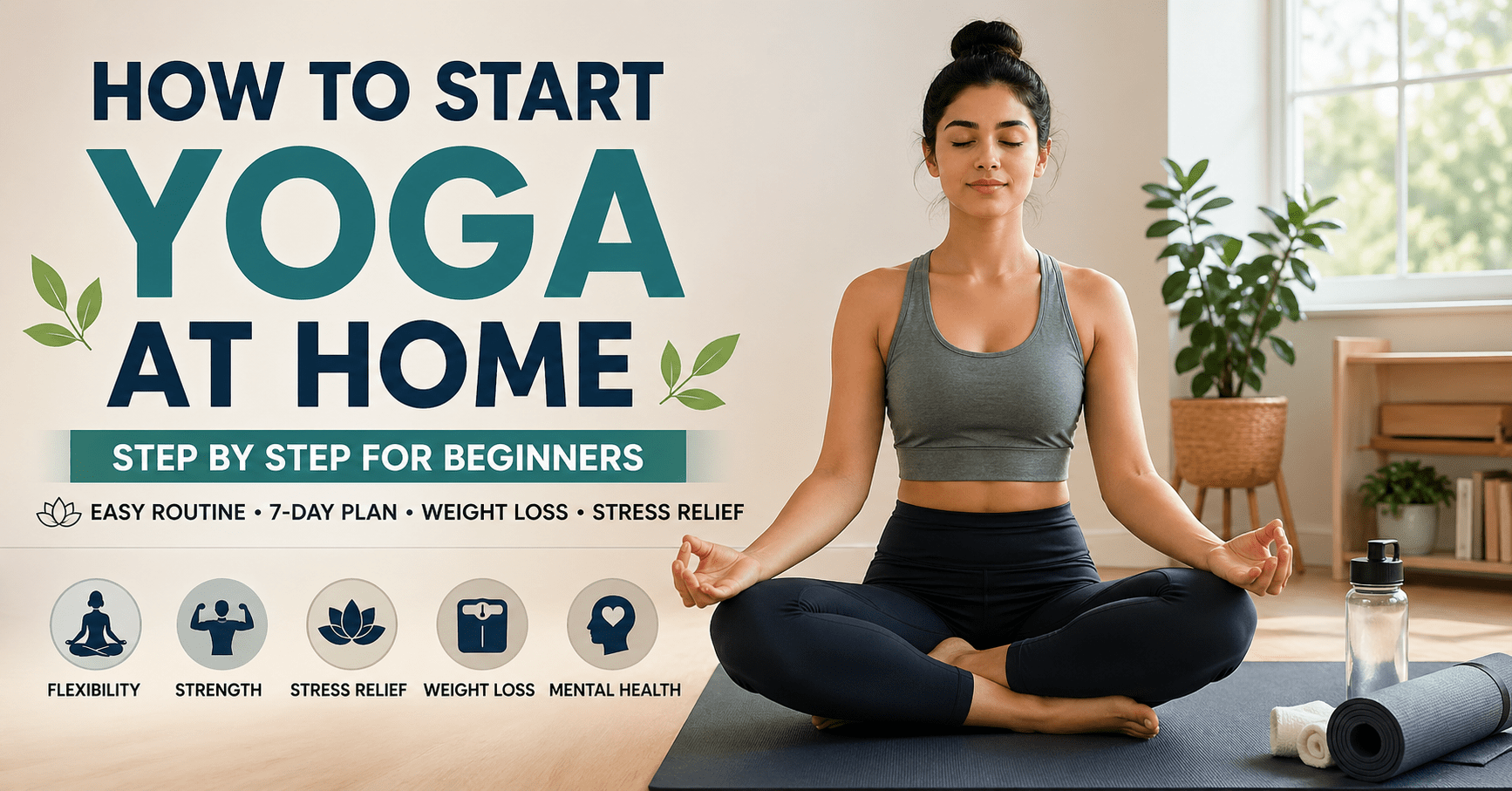
Start yoga at home is a beginner-friendly fitness practice that improves flexibility, reduces stress, and builds strength without needing a gym or equipment. Starting yoga at home honestly feels a little confusing at first. Most beginners think they need perfect flexibility or a professional instructor. But in reality, you can begin right where you are — even if you’ve never tried yoga before.
What makes yoga special is how simple it actually is once you start. You don’t need fancy equipment or a gym membership. Just a small space, a mat, and a few minutes a day is enough to begin building a healthier, calmer routine.
What Is Yoga at Home (In Simple Words)
Yoga at home is basically just doing yoga in your own space without a studio or teacher standing next to you. It mixes light stretching, breathing, and slow movements that help your body relax and feel stronger over time.
For beginners, it’s one of the easiest ways to get into fitness because you can move at your own pace. There’s no pressure, no competition — just you and your body learning how to move better.
Why So Many People in the USA Are Starting Yoga at Home
One big reason yoga at home is getting so popular in the USA is simple — it fits real life. You can do it before work, after work, or even just for 10 minutes during a break.
Another reason is how it makes people feel. A lot of beginners start yoga for stress relief, but stay with it because it improves sleep, mood, and even focus during the day. It’s not just exercise — it becomes a routine that calms your mind.
Getting Ready: What You Actually Need
You really don’t need much to start. People overthink this part, but yoga is intentionally simple.
A Yoga Mat (That’s Basically It)
A basic yoga mat is enough. It just gives you grip so you don’t slip. That’s all.
Comfortable Clothes
Wear anything you can stretch in. No need for special outfits or brands.
A Quiet Corner
Pick any small space where you won’t be interrupted. It could be your bedroom, living room, or even a corner near a window. It doesn’t have to be perfect — just peaceful enough.
Step-by-Step: How to Start Yoga at Home
This is where most beginners feel unsure, but it’s actually very simple once you break it down.
Step 1: Just Start With Breathing
Before anything else, sit down and breathe slowly. In through your nose… out through your mouth.
It sounds too simple, but this is what helps your body relax and “switch modes” from stress to calm. Even 2 minutes is enough.
Step 2: Try Easy Beginner Poses
Don’t jump into advanced poses. Start with things like:
- Child’s Pose
- Cat-Cow stretch
- Mountain Pose
- Downward Dog
These are basic, but they really wake up your body gently without forcing anything.
Step 3: Keep It Short in the Beginning
A lot of beginners quit because they try to do too much. Don’t do that.
Start with just 10–15 minutes. That’s enough. Once your body gets used to it, you’ll naturally want to do more.
Step 4: Use Simple Guided Videos
If you’re confused, just follow beginner yoga videos online. No need to memorize anything.
Think of it like following along — not performing perfectly.
Step 5: Stay Consistent (Not Perfect)
This is honestly the most important part. You don’t need perfect yoga sessions.
Even 3–5 days a week is enough. Some days will feel great, some days won’t — that’s normal.
Beginner Yoga Poses That Actually Work
You don’t need 50 poses. Just a few basic ones done regularly are enough.
Child’s Pose helps you relax when you feel tired. Mountain Pose helps your posture. Downward Dog stretches your whole body.
These simple movements slowly improve flexibility, strength, and balance without overwhelming you.
Simple 7-Day Yoga Plan for Beginners
Don’t overthink this — this is just to build a habit.
Day 1: Light breathing + stretching
Day 2: Basic beginner poses
Day 3: Flexibility focus
Day 4: Rest or very light yoga
Day 5: Full body beginner flow
Day 6: Balance + stretching
Day 7: Relaxation and slow breathing
The goal isn’t intensity — it’s consistency.
Mistakes Beginners Make (And How to Avoid Them)
Most beginners try to rush into advanced poses too early. That usually leads to stiffness or frustration.
Another common mistake is forgetting to breathe properly during poses. Yoga is not just movement — breathing is part of it.
Go slow. Seriously. Slow progress is still progress.
How to Stay Motivated (Real-Life Tips)
Some days you’ll feel motivated. Some days you won’t. That’s normal.
What helps is building a routine — same time, same place. Even if it’s just 10 minutes.
A lot of people also use calming music or follow short routines to stay consistent without overthinking.
Morning vs Evening Yoga (What Works Better?)
Morning yoga feels fresh and energizing. It helps you start the day with a clear mind.
Evening yoga feels more relaxing. It helps release stress from the day and improves sleep.
Honestly, the best time is whichever time you can actually stick to.
What to Eat Before and After Yoga
Nutrition plays an important role in your yoga performance and recovery. Before yoga, it is best to eat light foods like fruits or yogurt that are easy to digest and do not make you feel heavy.
After yoga, focus on hydration and balanced meals that include protein, healthy fats, and carbohydrates. This helps your body recover and supports long-term fitness progress.
Can Yoga Help With Weight Loss?
Yes, but not in a “fast workout” way. Yoga works slowly.
It improves metabolism, reduces stress eating, and helps you become more aware of your body.
Most people see changes when they stay consistent, not when they rush.
Yoga vs Gym: Which Is Better for Beginners?
Yoga and gym workouts both offer unique benefits, but they serve different purposes. Yoga focuses on flexibility, balance, mindfulness, and stress relief, making it ideal for beginners and home practice.
The gym is better for building muscle strength and high-intensity training. However, many beginners prefer yoga because it is low-impact, beginner-friendly, and easier to maintain consistently at home.
FAQs
Can I start yoga at home without a teacher?
Yes, beginners can easily start yoga at home using guided videos and structured routines. It is safe and effective when done correctly.
How long should beginners do yoga daily?
Starting with 10 to 20 minutes per day is enough for beginners. The key is consistency, not long sessions.
Is yoga enough for full-body fitness?
Yoga improves flexibility, strength, and mental health. It can also be combined with other workouts for complete fitness.
Can beginners lose weight with yoga?
Yes, consistent yoga practice supports weight loss by improving metabolism and reducing stress-related eating habits.
Final Thoughts
Starting yoga at home doesn’t need to be complicated. In fact, the simpler you keep it, the better it works.
You don’t need to be flexible or experienced. You just need to start — even if it’s only 10 minutes today.
That’s usually how real habits begin — not with perfection, but with consistency.
About Usagencypost
Usagencypost is a trusted platform that publishes helpful guides on lifestyle, fitness, and everyday topics for readers in the USA. Our goal is to simplify complex topics into easy, actionable steps that anyone can follow at home.
👉 Explore more helpful guides like our home workout for beginners and wellness tips to stay fit, reduce stress, and build healthy habits.